

The Psychology of Color in Interior Design
The Psychology of Color in Interior Design
The psychology of color is a fascinating field that studies how colors affect our emotions, behaviors, and decisions. In interior design, choosing the right color can change not only the appearance of a space but also how we feel in it. By considering the psychology of color, you can create environments that foster serenity, creativity, or energy, depending on your goals and the use of the space.
Colors and Emotions
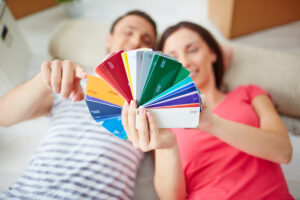
Each color carries a set of associations and emotional effects. Here’s a more detailed breakdown of some key colors and their impacts:
- Red: This vibrant and bold color is associated with passion, energy, and love. In decor, red can be very stimulating, making it an excellent choice for kitchens and entertainment areas. However, excessive use can be overwhelming, so consider using it as an accent in cushions, artwork, or an accent wall.
- Blue: Known for its calming effect, blue is ideal for creating a relaxing atmosphere in bedrooms and meditation spaces. This color can help reduce anxiety and promote tranquility. Lighter shades, like sky blue, are perfect for small spaces as they can make them feel more open and airy.
- Green: Green represents nature, and its use in interiors can bring a sense of freshness and balance. This color is ideal for offices and workspaces, as it has been shown to increase productivity and concentration. Try using shades like olive green or mint for a modern, refreshing touch.
- Yellow: Associated with joy, creativity, and energy, yellow can brighten any space. It’s perfect for social areas like dining rooms and living rooms. However, it’s recommended to use it in small doses, as too much can induce feelings of frustration or anxiety.
Practical Tips
When choosing a color palette, it’s essential to consider the purpose of each room. Ask yourself: What emotions do I want to evoke here? Also, think about the natural lighting in the space, as colors can appear different under various lighting conditions. Don’t hesitate to experiment; often, unexpected combinations can lead to a unique and cozy atmosphere.
To help visualize combinations, you might create an inspiration board using paint samples or magazine images. This will allow you to see how colors interact with each other and how they can influence the perception of your home.
Conclusion
The choice of color is a powerful tool in interior design. Playing with colors will not only transform the aesthetic of your home but also influence your emotional well-being. By understanding the psychological implications of your color choices, you can create a space that reflects your personality and lifestyle.
“Color is the keyboard, the eye is the piano, the soul is the harmony.” — Wassily Kandinsky

Leave a Reply